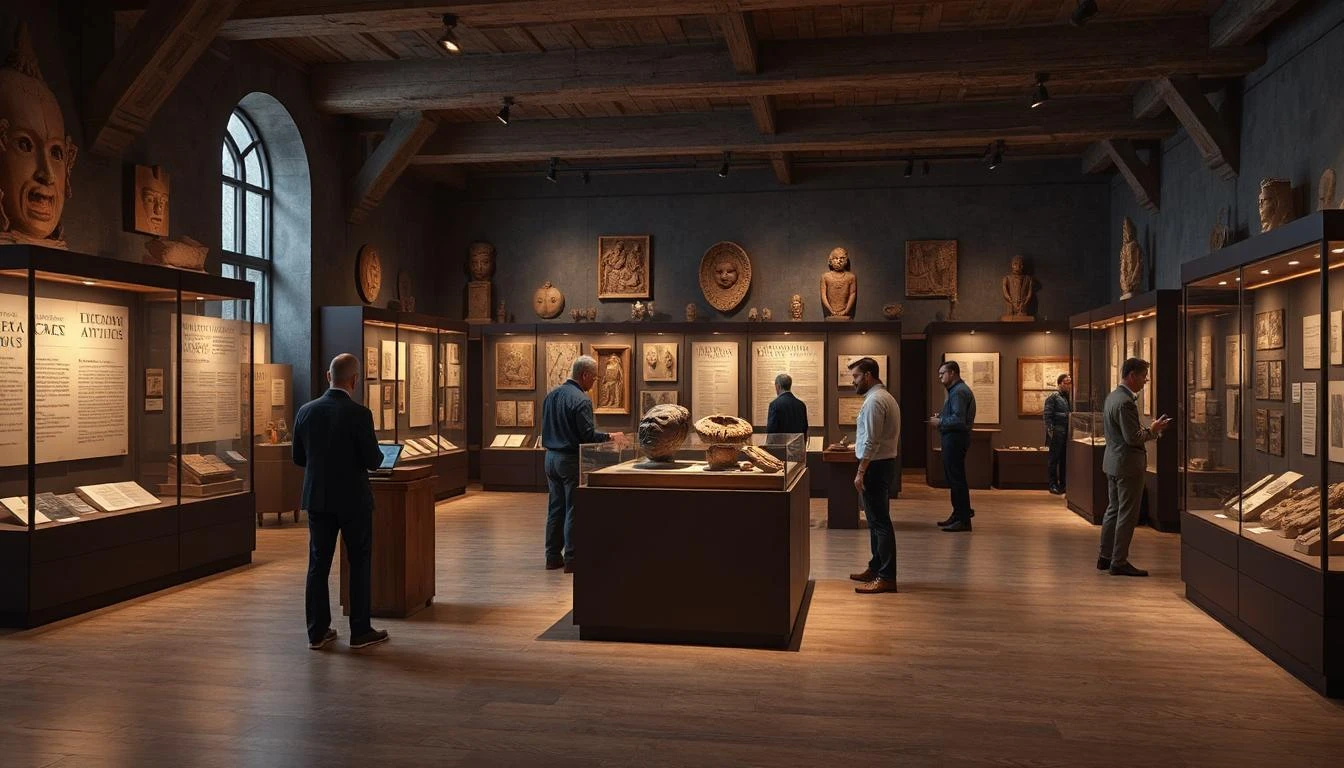
Superstitions And Mystery Stories

Some stories never truly disappear. They survive changing generations, travel across continents, and continue to spark curiosity even in a world driven by technology and instant information. From ancient legends whispered around village fires to mysterious tales shared across social media platforms, people remain fascinated by stories that challenge logic and invite deeper reflection about the unknown.
Across cultures and centuries, Superstitions Mystery Stories have remained an enduring source of fascination and entertainment. These narratives blend folklore, unexplained events, hidden meanings, and human imagination into compelling stories that encourage readers to question what they know and explore what remains unexplained. The continued popularity of mysterious legends proves that curiosity about the unknown is as strong today as it was hundreds of years ago.
Understanding Superstitions And Mystery Stories
Behind many legendary tales are Cultural beliefs and myths that have shaped communities for generations. These beliefs influence traditions, customs, and even daily decisions in many parts of the world. Understanding where superstitions and mystery stories come from helps explain why they continue to thrive in modern entertainment, literature, films, documentaries, and online discussions.
Origins of superstitions in different cultures
The origins of superstitions can be traced back to ancient civilizations that sought explanations for events they could not fully understand. Natural disasters, unusual weather patterns, eclipses, and unexpected illnesses often inspired beliefs involving supernatural forces. Over time, these interpretations evolved into traditions that became deeply embedded within cultural identity.
In ancient Egypt, Greece, China, and many Indigenous societies, signs and symbols were believed to carry messages from unseen forces. Certain animals, objects, or events became associated with good fortune or bad luck. As generations passed, these interpretations transformed into customs that still influence people today.
How mystery stories reflect human curiosity
Mystery stories continue to captivate audiences because they reflect a fundamental aspect of human nature: curiosity. People naturally seek answers, especially when faced with events that appear impossible to explain. Unsolved mysteries create intrigue by leaving room for imagination and speculation.
Modern entertainment industries understand this fascination well. Streaming platforms, podcasts, documentaries, and bestselling novels frequently focus on unexplained disappearances, hidden treasures, ancient secrets, and paranormal encounters. These stories engage audiences because they offer the excitement of exploration without providing all the answers.
The role of beliefs in traditional societies
In many traditional societies, beliefs served practical purposes beyond spiritual meaning. Certain customs encouraged social harmony, reinforced community values, or helped people navigate uncertainty during difficult periods. Rather than existing solely as supernatural traditions, many superstitions functioned as informal systems that helped communities cope with challenges and maintain stability.
As anthropologist Bronislaw Malinowski explained, "People turn to magic and ritual when faced with uncertainty and situations beyond their control." His observation remains highly relevant today, demonstrating how beliefs continue to offer reassurance and a sense of order when people encounter situations that cannot be easily explained.
Popular Superstitions Around The World
Although superstitions vary from culture to culture, many share surprisingly similar themes. Across continents, people have developed beliefs related to luck, protection, prosperity, and the avoidance of misfortune. Examining these traditions reveals fascinating similarities in how societies respond to uncertainty.
Common beliefs passed through generations
Many popular superstitions survive because they are passed from parents to children and from grandparents to grandchildren. Family traditions often preserve beliefs long after their original meanings have been forgotten.
Examples include avoiding specific numbers, carrying lucky charms, making wishes during special events, or following rituals before important occasions. These customs remain powerful because they become intertwined with personal memories and cultural identity.
Cultural meanings behind superstitious practices
Behind every superstition lies a deeper cultural meaning. Practices that appear unusual to outsiders often represent hopes for protection, success, prosperity, or harmony. Understanding the symbolism behind these actions provides valuable insight into the societies that created them.
For example, symbols associated with luck frequently reflect historical experiences, religious influences, or environmental conditions unique to a particular region. What may seem like a simple ritual often carries centuries of cultural significance.
Similarities and differences across regions
One of the most fascinating aspects of superstition is the way similar ideas emerge independently in different parts of the world. Beliefs involving fortune, spiritual protection, and unseen forces appear across diverse cultures despite limited historical contact.
At the same time, regional traditions create unique interpretations. A symbol considered fortunate in one country may represent caution in another. These differences demonstrate the remarkable creativity of human storytelling and cultural adaptation.
Mystery Stories In Cultural Traditions
Mystery stories have long served as more than simple entertainment. They preserve history, communicate cultural values, and inspire curiosity about the unknown. Their ability to adapt across generations ensures that they remain relevant even as societies evolve.
Folklore and unexplained tales through history
Throughout history, folklore has preserved countless stories about haunted places, mysterious creatures, hidden civilizations, and unexplained events. Many of these tales originated from real incidents that lacked complete explanations, allowing imagination and speculation to shape their evolution.
Legends of ghostly figures, lost cities, strange disappearances, and supernatural encounters continue to inspire modern books, films, and television series. Their persistence demonstrates the enduring appeal of stories that challenge conventional understanding.
How storytelling preserves cultural beliefs
Storytelling remains one of humanity's most effective methods for preserving traditions. Through myths, legends, and mystery narratives, communities pass down knowledge, values, and historical experiences from one generation to the next.
Stories provide more than entertainment; they act as living archives of collective memory. Historian Yuval Noah Harari emphasized the importance of shared narratives when he stated, "Large numbers of strangers can cooperate successfully by believing in common myths." This insight highlights how storytelling helps societies maintain cohesion while preserving cultural identity.
The lasting appeal of mysterious narratives
The enduring popularity of mystery stories comes from their ability to leave questions unanswered. Unlike stories that provide clear resolutions, mysteries invite audiences to participate by forming theories, debating possibilities, and imagining alternative explanations.
This interactive quality keeps readers and viewers engaged long after the story ends. Mythologist Joseph Campbell famously stated, "Myths are public dreams, dreams are private myths." His observation helps explain why mysterious narratives continue to resonate across cultures and generations, reflecting universal human questions about existence, destiny, and the unknown.
Explore The Fascinating World Of Superstitions And Mysteries
The world of superstitions and mysteries offers far more than eerie tales and unusual customs. It provides a unique lens through which people can examine history, psychology, culture, and human behavior. As new generations encounter ancient legends through digital platforms, these stories continue to evolve while preserving their essential themes.
Today, interest in supernatural folklore, urban legends, unexplained phenomena, ancient mysteries, paranormal investigations, and hidden historical secrets continues to grow. The rise of streaming services, online communities, and interactive media has introduced classic mystery stories to global audiences, ensuring their continued relevance in contemporary entertainment.
Whether exploring forgotten legends from remote regions or investigating modern mysteries that captivate the internet, these narratives remind us that curiosity remains one of humanity's most powerful traits. Every unexplained story invites deeper exploration and encourages people to think beyond conventional explanations.