Mythology And Spiritual Culture
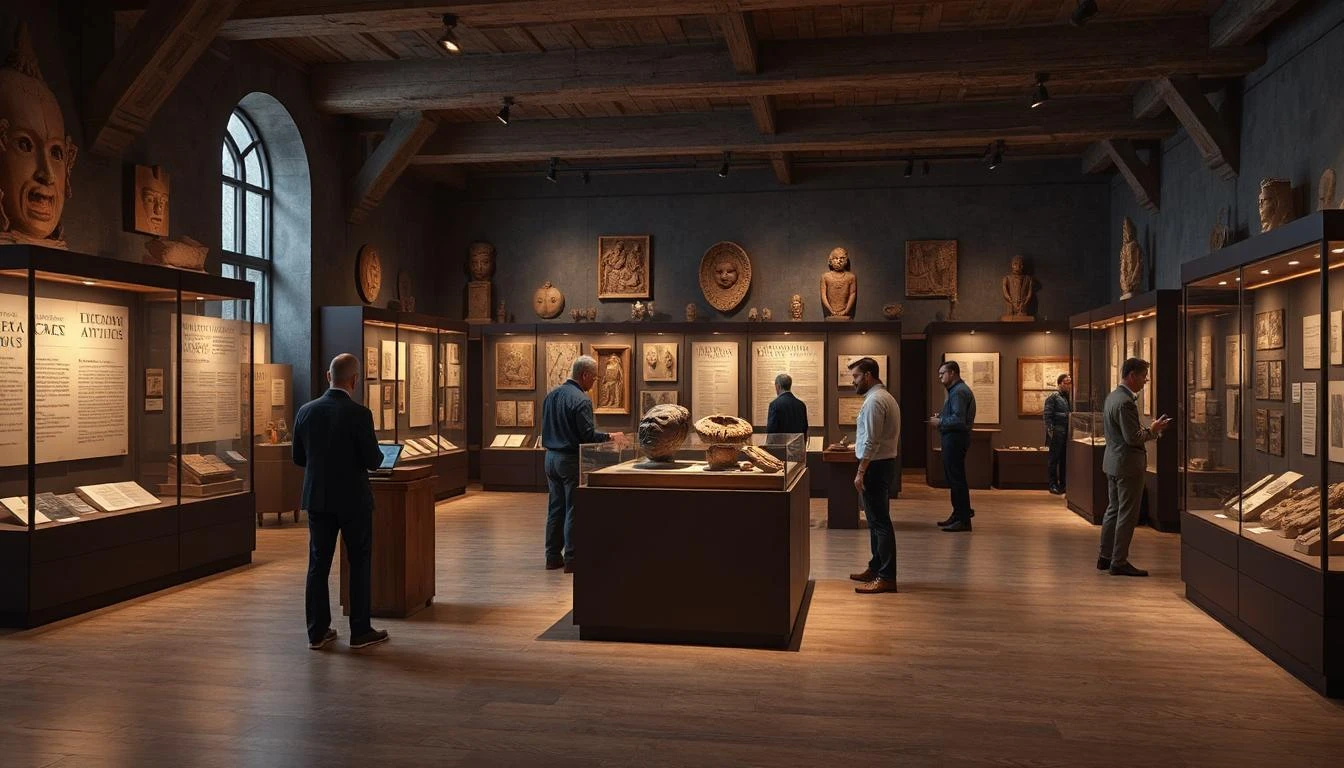
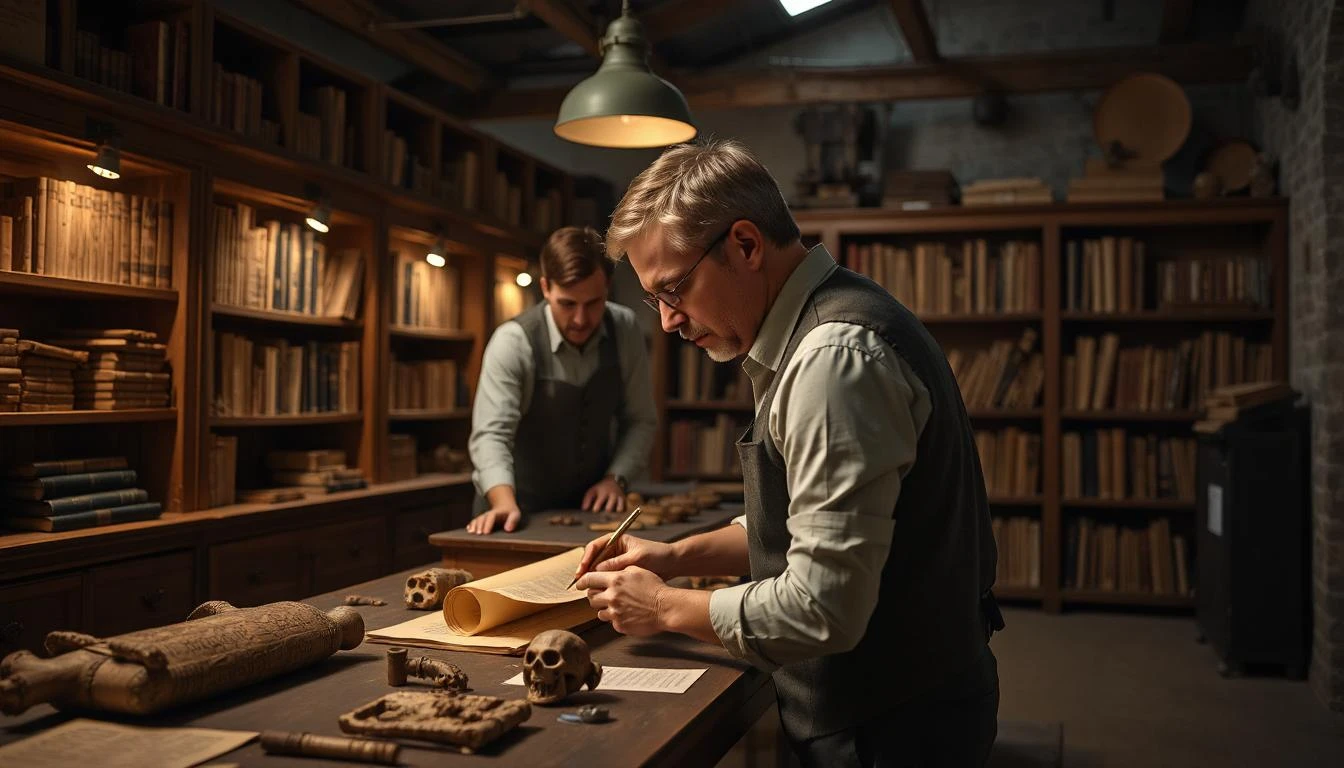
The stories that survive for centuries are rarely just stories. Hidden beneath legends, sacred tales, and timeless folklore are powerful insights into how civilizations understood the world around them. Across continents and generations, mythology has influenced entertainment, traditions, beliefs, and cultural identities in ways that continue to shape modern society. As global audiences search for deeper meaning behind popular narratives, mythology remains a fascinating gateway into humanity’s collective imagination.
Among the most enduring cultural treasures are Ancient mythology stories, which continue to inspire movies, television series, novels, video games, and spiritual practices around the world. These narratives are not merely relics of the past. They reveal how people explained life’s mysteries, interpreted natural events, and passed wisdom from one generation to the next. Understanding these stories offers a unique perspective on both historical civilizations and contemporary culture.
The Connection Between Mythology And Spiritual Culture
Long before modern entertainment existed, myths served as powerful tools for preserving knowledge, explaining the unknown, and strengthening community bonds. Their influence extended beyond storytelling and became deeply woven into spiritual traditions that still resonate today.
One of the reasons mythology remains relevant is its connection to Cultural mythology beliefs, which continue to influence rituals, celebrations, moral values, and spiritual practices across different societies. Even in a rapidly changing digital world, these cultural foundations remain visible in everyday traditions and collective identities.
How myths explain natural and cultural phenomena
Ancient civilizations often used myths to explain events they could not scientifically understand. Thunderstorms, eclipses, floods, changing seasons, and volcanic eruptions were frequently interpreted as actions of divine beings or supernatural forces. These narratives provided structure and meaning in a world filled with uncertainty.
Today, scholars recognize myths as valuable cultural records that reveal how societies perceived their environment. The study of mythological symbolism, sacred legends, and ancestral traditions continues to help researchers understand historical worldviews and cultural development.
The influence of mythology on spiritual beliefs
Mythology has played a crucial role in shaping spiritual thought throughout human history. Creation stories, tales of divine intervention, and narratives about life after death established frameworks that influenced religious and spiritual practices across generations.
The influence remains visible today. Many spiritual customs incorporate symbols, rituals, and narratives that originated in ancient mythological traditions. As mythologist Joseph Campbell famously observed, "Myths are public dreams, dreams are private myths," highlighting how these stories continue to reflect universal human experiences and spiritual aspirations.
Preserving traditions through stories and rituals
Stories are among the most effective ways to preserve cultural memory. Through oral traditions, ceremonies, and communal celebrations, myths have helped communities maintain connections with their heritage for centuries.
Rituals inspired by mythology often carry lessons about identity, morality, and social responsibility. These traditions create continuity between generations, ensuring that cultural wisdom remains accessible even as societies evolve.
Ancient Mythology Across Different Civilizations
Although every civilization developed unique traditions, striking similarities can be found in mythological narratives from different parts of the world. These parallels reveal common human concerns about existence, purpose, and the forces that shape reality.
Exploring mythology across cultures uncovers recurring themes of heroism, sacrifice, transformation, and destiny. Such patterns explain why ancient stories continue to resonate with modern audiences regardless of geographic or cultural background.
Legendary figures and symbolic narratives
Legendary heroes, gods, guardians, and tricksters occupy central roles in mythological traditions. These figures often represent universal human traits, including courage, wisdom, ambition, compassion, and resilience.
Their symbolic significance has allowed them to transcend time. Modern entertainment frequently adapts these archetypes into blockbuster films, streaming series, and bestselling novels, demonstrating the enduring power of mythological storytelling.
Cultural values reflected in mythological stories
Myths often function as mirrors of societal values. Stories emphasizing loyalty, honor, justice, and perseverance reveal what communities considered essential for survival and prosperity.
By examining mythological narratives, readers gain insight into how different civilizations approached leadership, family relationships, social responsibility, and ethical behavior. These values frequently remain embedded within contemporary cultural traditions.
The role of myths in shaping societies
Myths have historically influenced far more than entertainment. They shaped political authority, social structures, educational systems, and communal identity. Leaders often associated themselves with legendary figures to strengthen legitimacy and unify populations.
Historian Mircea Eliade noted that sacred narratives provide models for human behavior and cultural organization, emphasizing how mythology has long served as a foundation for societal development and collective meaning.
Spiritual Culture In The Modern World
As technology transforms daily life, many people assume spiritual traditions have become less relevant. Yet the opposite often appears true. Interest in cultural heritage, mindfulness, and ancestral wisdom continues to grow across the globe.
This renewed curiosity demonstrates that spiritual culture still fulfills important human needs, offering connection, identity, and perspective in an increasingly fast-paced world.
Traditional practices that remain relevant today
Practices such as meditation, seasonal ceremonies, ancestor remembrance, and community festivals continue to attract participants from diverse backgrounds. These traditions provide opportunities for reflection, personal growth, and cultural connection.
Interest in ancient wisdom traditions, global spiritual heritage, and traditional cultural practices in modern society has expanded significantly as people seek meaningful experiences beyond material success.
The evolution of spiritual customs and beliefs
Spiritual traditions have never remained completely static. Throughout history, communities adapted beliefs and practices to changing social, political, and technological circumstances.
Digital platforms now make it possible for ancient teachings and cultural traditions to reach global audiences. This accessibility encourages cultural exchange while helping preserve valuable knowledge for future generations.
Balancing heritage with contemporary lifestyles
One of the greatest challenges facing modern societies is finding harmony between preserving heritage and embracing innovation. Cultural traditions must remain relevant without losing their original significance.
Many communities successfully achieve this balance by integrating traditional values into contemporary lifestyles. This approach allows cultural identity to remain strong while adapting to modern realities and opportunities.
Discover The Rich Heritage Of Mythology And Spiritual Culture
The enduring influence of mythology and spiritual culture demonstrates that humanity’s oldest stories still have much to teach. They provide insight into history, creativity, morality, and the shared experiences that connect people across different cultures and generations.
As interest in cultural preservation continues to grow, mythology offers a powerful reminder that stories are more than entertainment. They are living archives of human knowledge, carrying lessons that remain relevant in an ever-changing world. Whether explored through ancient texts, modern entertainment, or spiritual traditions, these narratives continue to inspire curiosity and reflection.
If myths have survived thousands of years despite countless societal changes, perhaps the most intriguing question is not why they endured, but what they still reveal about humanity today.