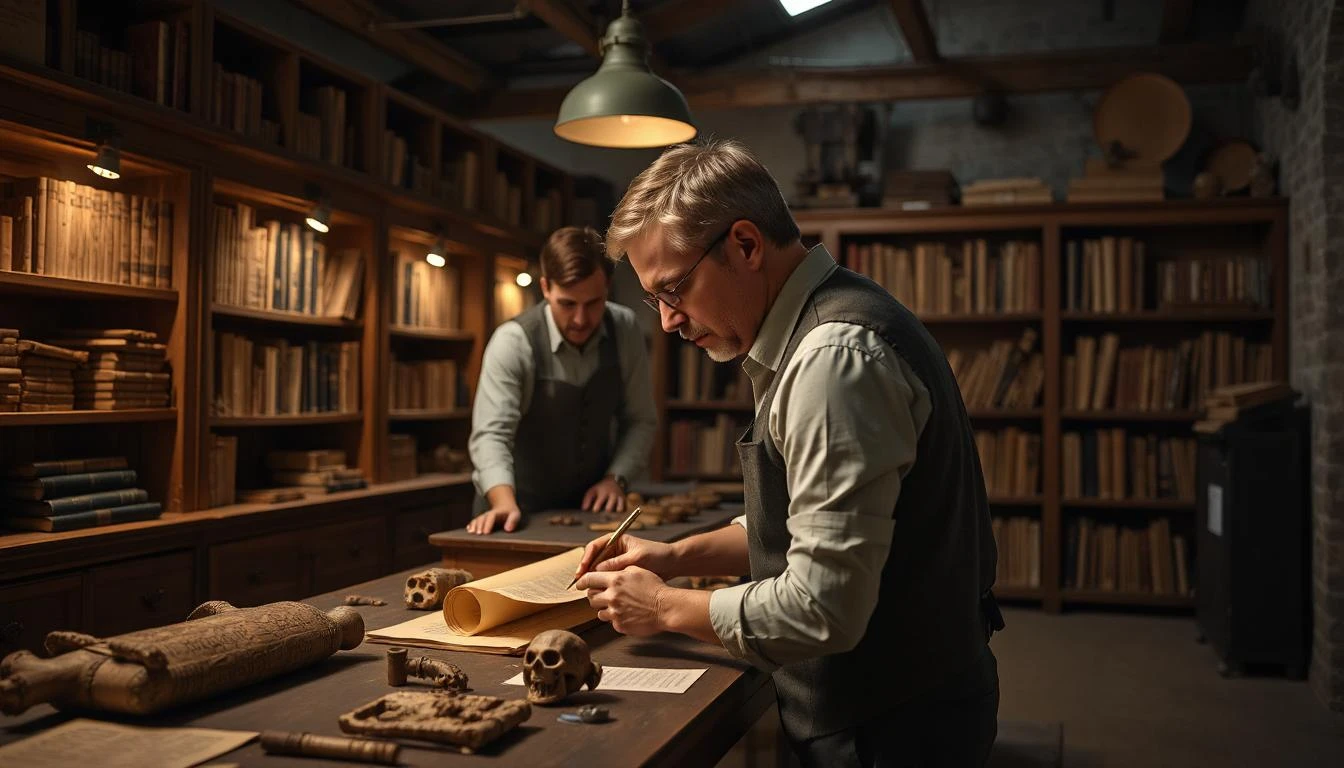
Spiritual Culture And Ancient Legends

Across every continent, ancient stories continue to captivate modern audiences in ways that few cultural traditions can. From mystical kingdoms and sacred rituals to legendary heroes whose names have survived for centuries, these narratives offer a fascinating glimpse into how people once understood the world around them. As global entertainment increasingly draws inspiration from mythology and folklore, interest in cultural storytelling has reached new heights, encouraging readers to explore the deeper meanings hidden within these timeless tales.
Spiritual Culture And Ancient Legends remain powerful because they connect history, belief systems, and human imagination into stories that transcend generations. These narratives are more than relics of the past; they continue influencing literature, films, streaming series, and popular culture worldwide. As renowned mythologist "Joseph Campbell" famously stated, "Myths are public dreams, dreams are private myths." His observation highlights why ancient legends still resonate today, offering insights into universal human experiences while preserving the cultural identity of civilizations across time.
Understanding Spiritual Culture And Ancient Legends
Across civilizations, stories have always carried far more than entertainment value. Spiritual Culture And Ancient Legends reveal how communities understood the mysteries of existence, explained natural phenomena, and passed wisdom from one generation to another. From forgotten mountain temples to sacred rivers celebrated in folklore, these narratives provide a remarkable window into the beliefs, fears, hopes, and aspirations that shaped humanity. Today, as global audiences increasingly seek meaningful entertainment experiences, ancient legends continue to captivate attention through films, streaming series, literature, gaming, and digital storytelling.
This rich tapestry of ancestral narratives, sacred folklore, and mythological traditions remains deeply connected to modern culture. The enduring legacy of these cultural treasures demonstrates how collective memory influences contemporary entertainment and identity. Many researchers studying spiritual traditions worldwide emphasize that traditional stories are not merely fictional tales but valuable cultural archives preserving social values, spiritual philosophies, and historical perspectives. What many people rarely realize is that some of the world's most successful entertainment franchises are directly inspired by legends that originated thousands of years ago, hidden within ancient oral traditions.
The Role of Legends in Cultural Identity
Legends serve as powerful cultural anchors. Communities often use traditional stories to define their origins, celebrate heroes, and reinforce shared values. Whether found in Asia, Europe, Africa, or the Americas, legendary narratives provide a sense of belonging and continuity.
These stories frequently explain how societies emerged, why specific customs exist, and what principles should guide future generations. Through repeated storytelling, cultural identity becomes deeply embedded within collective consciousness, ensuring traditions remain relevant even as societies evolve.
Spiritual Beliefs Reflected in Traditional Stories
Many ancient tales contain profound spiritual symbolism. Sacred mountains, celestial beings, ancestral spirits, and mystical journeys often represent deeper philosophical concepts about life, morality, and human purpose.
LSI keywords such as mythological heritage, sacred storytelling, ancestral wisdom, cultural spirituality, and traditional belief systems naturally emerge when examining these narratives. Such elements demonstrate how storytelling became an educational tool that communicated complex spiritual concepts in accessible ways.
How Legends Preserve Historical Values
While legends may contain supernatural elements, they frequently preserve historical truths hidden beneath symbolic layers. Ancient battles, migrations, societal transformations, and environmental events are often reflected within folklore narratives.
Historians and anthropologists regularly analyze legends because they provide clues about ancient societies, offering insights unavailable through written records alone. This combination of mythology and historical memory makes legends valuable cultural resources.
Some archaeological discoveries have unexpectedly validated details from legends once dismissed as pure fantasy, creating intriguing intersections between mythology and historical evidence.
Ancient Legends Across Cultures
Every region of the world possesses unique legendary traditions. Although details vary significantly, recurring themes reveal striking similarities in how different cultures interpret heroism, destiny, sacrifice, and spiritual transformation.
Heroes, Symbols, and Legendary Events
Legendary heroes often embody society's highest ideals. Their journeys typically involve extraordinary challenges that symbolize personal growth, resilience, and moral responsibility.
Symbols also play a crucial role. Dragons may represent wisdom or chaos, sacred trees often symbolize life and renewal, while celestial bodies frequently reflect divine guidance. These symbolic frameworks continue influencing modern entertainment, including blockbuster films, fantasy novels, and immersive gaming experiences.
Regional Folklore and Storytelling Traditions
Regional storytelling traditions reveal remarkable diversity. Scandinavian sagas, Japanese folklore, Indigenous oral histories, African epics, and South American myths each offer distinctive perspectives while sharing universal themes.
One emerging long-tail keyword relevant today is how ancient legends influence modern entertainment storytelling. Contemporary creators increasingly revisit traditional narratives, adapting them for global audiences while preserving their cultural significance.
Digital platforms have also accelerated interest in folklore, enabling previously localized stories to reach international audiences. As a result, cultural narratives once confined to specific communities now contribute to global entertainment trends.
Lessons and Meanings Within Ancient Legends
Beyond adventure and mystery, legends often communicate ethical guidance. Courage, humility, wisdom, compassion, and perseverance frequently appear as central themes.
Another valuable long-tail keyword is why spiritual legends remain relevant in contemporary society. The answer lies in their ability to address timeless human questions. Regardless of technological advancement, people continue searching for meaning, identity, and connection, questions legends have explored for centuries.
As cultural consumption becomes increasingly digital, audiences often find comfort in stories that provide enduring perspectives amid rapid social change.
Preserving Spiritual Heritage In Modern Times
Preserving spiritual heritage has become increasingly important in an era characterized by globalization and technological transformation. Cultural preservation ensures that valuable knowledge systems are not lost to future generations.
The Importance of Cultural Continuity
Cultural continuity strengthens social cohesion and promotes understanding between generations. Traditional stories help communities maintain a connection to their historical roots while adapting to modern realities.
Experts in cultural preservation frequently emphasize that safeguarding intangible heritage is just as important as protecting historical monuments. Stories, rituals, songs, and legends represent living expressions of cultural identity.
According to cultural historian "David Lowenthal," "The past is everywhere." His observation underscores how historical narratives continuously influence contemporary perspectives and behaviors.
Sharing Traditions with Future Generations
Educational initiatives, museums, documentaries, podcasts, and digital archives play essential roles in preserving traditional knowledge. Families also remain vital custodians of storytelling traditions.
Long-tail search phrases such as best ways to preserve ancient legends for future generations have become increasingly relevant as communities seek practical methods for safeguarding cultural heritage.
Encouraging younger audiences to engage with folklore through interactive media creates opportunities for cultural transmission while maintaining relevance in modern contexts.
Adapting Ancient Beliefs to Contemporary Society
Ancient beliefs continue evolving rather than disappearing. Modern interpretations often integrate traditional wisdom with contemporary values, creating meaningful cultural dialogue.
Entertainment industries worldwide increasingly draw inspiration from mythology, spiritual narratives, and folklore. Streaming platforms, virtual reality experiences, and interactive storytelling formats provide innovative ways to reintroduce ancient wisdom to modern audiences.
This adaptation process demonstrates that cultural heritage is not static. Instead, it remains dynamic, continuously reshaped by changing social contexts while preserving its essential meaning.
Explore Spiritual Culture Through Ancient Legends Today
The enduring appeal of Spiritual Culture And Ancient Legends lies in their remarkable ability to bridge past and present. They offer entertainment, education, inspiration, and cultural understanding simultaneously. Through sacred myths, legendary heroes, symbolic journeys, and ancestral wisdom, humanity continues to explore profound questions about existence and identity.
If you take a closer look at the stories hidden behind popular movies, bestselling novels, and global entertainment phenomena, you may discover that many originate from ancient traditions that have survived for centuries. Those narratives continue to evolve because they address universal human experiences that remain relevant regardless of time or place.